Hey there! As a supplier of general – purpose injection molding machines, I’ve been getting a lot of questions lately about the screw L/D ratio. So, let’s dig into why this ratio is so important in our machines. General-purpose Injection Molding Machine
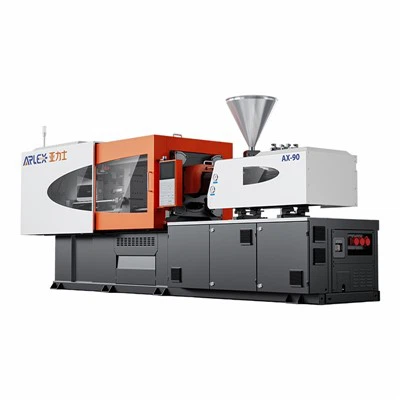
First off, what exactly is the screw L/D ratio? The L/D ratio stands for the ratio of the length (L) of the screw to its diameter (D). It’s a pretty simple concept, but it has a huge impact on how well an injection molding machine works.
1. Plasticizing Efficiency
One of the key reasons the L/D ratio matters is plasticizing efficiency. You see, when we’re running an injection molding process, we need to turn solid plastic pellets into a molten, homogeneous mass that can be injected into a mold. The screw in our machine is like the heart of this operation.
A higher L/D ratio gives us more space for the plastic to be heated and mixed. The screw has a longer path to work its magic, meaning it can better break down the plastic pellets, distribute heat evenly, and get rid of any air bubbles. This results in a more consistent melt quality. For example, if you’re molding a high – quality product like a medical device, you need every part of the plastic to be perfectly melted and mixed. A machine with a proper L/D ratio can ensure that each batch of the melted plastic is up to the mark, reducing the chances of defects in the final product.
On the other hand, a lower L/D ratio may not provide enough mixing and heating time. The plastic might not melt evenly, leading to issues like cold slugs or unmelted particles in the final molding. This can weaken the product’s structure and make it look uneven or flawed.
2. Material Compatibility
Different types of plastics have different properties, and the L/D ratio can play a big role in how well a machine can handle these materials. Some plastics, like polycarbonate, are more viscous and require more energy to melt and mix. A machine with a higher L/D ratio can provide the extra heat and shear force needed to process these challenging materials.
Let’s say you’re working with a new type of engineering plastic that has excellent mechanical properties but is tough to process. If your machine’s screw has a low L/D ratio, you might struggle to get a good quality melt. However, with a higher L/D ratio, the screw can gradually heat and mix the plastic, adjusting to its specific needs. This means our general – purpose injection molding machines can be used with a wider range of materials, giving our customers more flexibility in their production.
3. Production Speed
The L/D ratio also affects the production speed of the injection molding machine. A well – designed machine with an appropriate L/D ratio can process plastic faster. When the plasticizing process is more efficient, we can reduce the cycle time between each injection. This is crucial for mass production.
Imagine you’re a manufacturer producing thousands of plastic parts every day. Every second saved in the production cycle can add up to significant savings in time and cost. A machine with the right L/D ratio can keep the production line running smoothly and quickly, ensuring that you meet your production targets.
4. Energy Consumption
In today’s world, energy efficiency is a big deal. The L/D ratio can have a direct impact on how much energy our machines consume. A higher L/D ratio allows for more gradual heating and mixing of the plastic. This means we can use less energy to achieve the same level of plasticization compared to a machine with a lower L/D ratio.
For instance, if a machine with a low L/D ratio requires high – powered heaters to quickly melt the plastic in a short distance, it’s going to use a lot more electricity. On the other hand, a machine with a well – chosen high L/D ratio can use smaller, more efficient heaters because the plastic is being heated over a longer period. This not only saves energy but also reduces the running cost for our customers.
5. Precision in Molding
Precision is key in injection molding, especially when you’re making parts with tight tolerances. The L/D ratio can influence the precision of the molding process. A consistent melt quality, which is achieved with a proper L/D ratio, helps in getting accurate dimensions and a smooth surface finish on the final product.
When the plastic is evenly melted and mixed, it flows more predictably into the mold. This means we can better control the filling process and avoid issues like over – filling or under – filling. For products like electronic components, where precision is crucial for functionality, having a machine with an optimum L/D ratio is a must.
Choosing the Right L/D Ratio
Now, you might be wondering how to choose the right L/D ratio for your injection molding needs. Well, it depends on several factors.
The type of plastic you’re using is a major consideration. As I mentioned earlier, more viscous plastics usually require a higher L/D ratio. The complexity of the part you’re molding also matters. If you’re making a part with thin walls or intricate details, you’ll need a more precise and consistent melt, which might call for a higher L/D ratio.
The production volume is another factor. For high – volume production, you’ll want to maximize the production speed and efficiency, so a well – optimized L/D ratio is essential. And don’t forget about your budget. Higher L/D ratio screws may come with a higher price tag, so you’ll need to balance the performance benefits with the cost.

As a supplier of general – purpose injection molding machines, we understand the importance of getting the L/D ratio right. We work closely with our customers to analyze their specific needs and recommend the best machine for them. Whether you’re a small – scale manufacturer or a large – scale production facility, we’ve got the expertise to help you make the right choice.
Plastic Injection Moulding Machine If you’re in the market for a general – purpose injection molding machine and want to learn more about how the screw L/D ratio can impact your production, we’re here to help. Let’s have a chat about your requirements, and we can find the perfect machine that meets your needs and budget. Don’t hesitate to reach out to us for a friendly consultation – we’re just a message or a call away!
References
- "Injection Molding Handbook" by O. Oscar Benedictus.
- "Plastics Processing Technology" by Miles A. Sorensen.
- Journal of Polymer Engineering articles on injection molding processes.
Ningbo Yalishi (Arlex) Plastic Machinery Co., Ltd.
Address: No.63, Huangsu East Road, Industrial Zone, Dongqian Lake Tourist Resort, Ningbo, Zhejiang Province
E-mail: leo@arlex.cn
WebSite: https://www.arleximm.com/
