Hey there! I’m a supplier of thermal lamination film. In my years of dealing with this product, I’ve gotten tons of questions from customers about making sure the edges are well-laminated. So, I thought I’d share some tips and tricks that I’ve learned along the way. Thermal Lamination Film

First off, let’s talk about why well-laminated edges are so important. When you’re laminating a document, photo, or any other item, the edges are the first line of defense against wear and tear. If the edges aren’t properly sealed, moisture, dirt, and air can get in between the film and the item, which can cause it to peel, wrinkle, or even get damaged over time. Plus, a well-laminated edge just looks better. It gives a clean, professional finish to whatever you’re laminating.
Prep Your Materials
The first step in ensuring well-laminated edges is to prep your materials correctly. Make sure the item you’re laminating is clean and dry. Even a tiny bit of dust or moisture can prevent the film from adhering properly, especially at the edges. If you’re laminating a document, double-check for any staples, paper clips, or glues. Remove them all because they can create bumps or prevent the film from laying flat.
When it comes to the thermal lamination film, make sure you’ve got the right size. The film should be slightly larger than the item you’re laminating. You want at least 1/8 to 1/4 inch of extra film around the edges. This extra margin allows for a better seal and gives you a bit of leeway in case the film shifts during the lamination process.
Set the Right Temperature
The temperature of your laminator is crucial. Different types of thermal lamination films have different optimal temperature settings. Most films come with a recommended temperature range on the packaging. It’s super important to follow these guidelines. If the temperature is too low, the adhesive in the film won’t melt properly, and the edges won’t seal well. You might end up with a film that just sort of lays on top of the item without really sticking.
On the other hand, if the temperature is too high, the film can bubble, warp, or even burn. This is especially bad for the edges because it can cause them to curl or become uneven. Before you start laminating a large batch of items, it’s a good idea to do a test run with a scrap piece of the same material you’ll be using. Adjust the temperature until you get a good, clean seal at the edges.
Feed the Item Correctly
How you feed the item into the laminator can also affect the quality of the edge lamination. Make sure the item is centered between the two layers of film. If it’s off to one side, one edge might not get enough laminating while the other could end up with a lot of excess film.
When you’re feeding it into the laminator, do it slowly and steadily. Don’t jerk it or try to rush the process. A smooth, even feed helps the film to adhere evenly and ensures that the edges get a good seal. If you’re using a hand-crank laminator, turn the crank at a consistent speed. With an electric laminator, just make sure it has time to pull the item through properly.
Apply Even Pressure
While the laminator is doing its job, applying even pressure can make a big difference in the edge lamination. Some laminators have adjustable pressure settings. If yours does, set it to the appropriate level for the thickness of the item you’re laminating. A bit more pressure can help the film adhere better, especially at the edges.
If your laminator doesn’t have adjustable pressure, you can still use a bit of extra force. After the item comes out of the laminator, you can gently run a bone folder or a credit card along the edges. This helps to seal any areas that might not have gotten a perfect bond during the lamination process. Just be careful not to press too hard and damage the film or the item inside.
Trim the Edges Properly
Once the item is laminated, trimming the edges is the final step to getting a perfect finish. Use a sharp pair of scissors or a paper cutter. Dull blades can cause the edges to fray or tear, which looks messy and can also affect the durability of the lamination.
When you’re trimming, make sure you’re cutting straight and even. It’s a good idea to use a ruler or a straight edge as a guide. Try to cut as close to the edge of the item as possible without cutting into it. This gives you a nice, clean border and helps to prevent any loose film from peeling up over time.
Troubleshooting Common Edge Lamination Problems
Even if you follow all these steps, you might still run into some problems with edge lamination. Let’s take a look at some common issues and how to fix them.
Peeling Edges: If the edges of your lamination are peeling, it could be because the temperature was too low or the film wasn’t cleaned properly. Try re-laminating the item at a slightly higher temperature. Make sure you clean the item and the film thoroughly before you start.
Bubbles at the Edges: Bubbles are usually caused by air getting trapped between the film and the item. To fix this, try using a credit card or a bone folder to smooth out the bubbles as soon as the item comes out of the laminator. If the bubbles are really stubborn, you might need to start over with a new piece of film.
Uneven Edges: Uneven edges can be the result of the item not being centered or the film shifting during the lamination process. Next time, take more care when centering the item and feeding it into the laminator. You can also try using a bit of masking tape to hold the film in place before you start laminating.
Conclusion
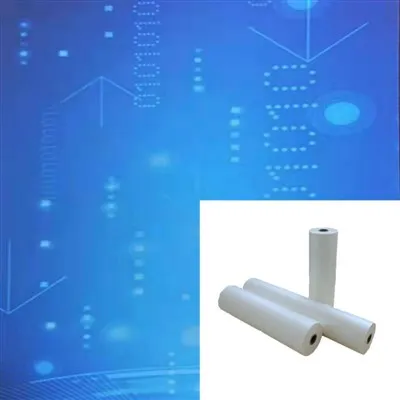
Ensuring that the edges are well-laminated with thermal lamination film isn’t rocket science, but it does require a bit of attention to detail. By prepping your materials, setting the right temperature, feeding the item correctly, applying even pressure, and trimming the edges properly, you can get a professional-looking finish every time.
PET Thermal Lamination Film If you’re in the market for high-quality thermal lamination film, look no further! As a supplier, I’ve got a wide range of films to suit your needs. Whether you’re laminating documents for an office, photos for a scrapbook, or any other items, I’ve got you covered. Don’t hesitate to reach out if you have any questions or if you’re interested in purchasing our products. Let’s get your laminating projects looking their best!
References
- Johnson, M. (2018). The Ultimate Guide to Laminating. Laminating Press.
- Smith, R. (2020). Tips for Perfect Edge Lamination. Journal of Laminating Techniques.
Yantai Hongqing Packing Material Co., Ltd.
Yantai Hongqing Packing Material Co., Ltd. is one of the most professional thermal lamination film manufacturers and suppliers in China, also supports customized service. Welcome to wholesale advanced thermal lamination film made in China here and get quotation from our factory. Quality products and reasonable price are available.
Address: Eastern Industrial Park, Taocun, Yantai, Shandong Province, China
E-mail: cindy@ythongguang.cn
WebSite: https://www.hqingnewmat.com/
