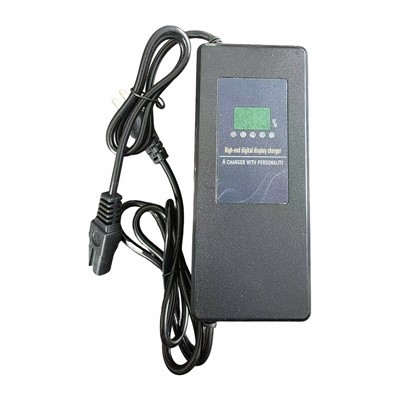
When it comes to the world of lead acid battery chargers, one question that often arises is, "What is the lifespan of a lead acid battery charger?" As a seasoned supplier of lead acid battery chargers, I’ve encountered this query countless times. In this blog post, I’ll delve into the factors influencing the charger’s lifespan, offer tips on maximizing its longevity, and touch on how to recognize when it might be time for a replacement. Lead Acid Battery Charger
Understanding the Basics of Lead Acid Battery Chargers
Before we discuss the lifespan, it’s essential to understand what a lead acid battery charger is and how it works. A lead acid battery charger is a device designed to replenish the energy stored in lead acid batteries. These batteries are widely used in various applications, from automotive vehicles and uninterruptible power supplies (UPS) to golf carts and marine vessels. The charger works by converting electrical energy from an external source, typically the AC power grid, into DC power suitable for charging the battery. It regulates the voltage and current to ensure a safe and efficient charging process.
Factors Affecting the Lifespan of a Lead Acid Battery Charger
1. Quality of Components
The quality of the components used in the charger’s construction plays a significant role in determining its lifespan. Chargers made with high – quality capacitors, resistors, and integrated circuits are generally more reliable and have a longer lifespan. Cheaper chargers may use substandard components, which are more prone to failure. For example, a low – quality capacitor may dry out or lose its capacitance over time, leading to charging inefficiencies or even complete charger failure. As a supplier, we always prioritize using top – notch components in our chargers to ensure long – term performance.
2. Operating Conditions
The environment in which the charger operates can have a profound impact on its lifespan. High temperatures, humidity, and exposure to dust and dirt can all accelerate the degradation of the charger’s components. Chargers used in industrial settings, where there may be a lot of dust and vibrations, are more likely to experience problems compared to those used in a clean, climate – controlled environment. For instance, excessive heat can cause the solder joints to weaken, leading to loose connections and potential short – circuits.
3. Usage Patterns
How often and how intensively the charger is used also affects its lifespan. Chargers that are used continuously or for long periods of time may experience more wear and tear compared to those used intermittently. For example, a charger used in a commercial vehicle fleet, where it is constantly charging batteries, will likely have a shorter lifespan than a charger used occasionally to charge a recreational vehicle’s battery. Additionally, overloading the charger by charging batteries that are too large for its rated capacity can also reduce its lifespan.
4. Charging Algorithm
The charging algorithm implemented in the charger is crucial for both the battery’s health and the charger’s lifespan. A well – designed charging algorithm will optimize the charging process, preventing overcharging and undercharging. Chargers with advanced charging algorithms that can adjust the charging current and voltage based on the battery’s state of charge are less likely to experience component stress, which can extend the charger’s lifespan. In contrast, chargers with simplistic charging algorithms may subject the components to unnecessary stress, leading to premature failure.
Typical Lifespan of a Lead Acid Battery Charger
On average, a high – quality lead acid battery charger can last anywhere from 5 to 10 years. However, this is just a rough estimate, and the actual lifespan can vary significantly depending on the factors mentioned above. Chargers used in ideal conditions with infrequent use and high – quality components may last even longer, while those exposed to harsh operating conditions or used intensively may need to be replaced in as little as 2 to 3 years.
Tips for Maximizing the Lifespan of a Lead Acid Battery Charger
1. Choose a High – Quality Charger
As mentioned earlier, the quality of the charger is a crucial factor in its lifespan. When purchasing a charger, look for a reputable brand that uses high – quality components and has a proven track record of reliability. As a supplier, we take pride in the quality of our chargers and offer warranties to give our customers peace of mind.
2. Provide a Suitable Operating Environment
Ensure that the charger is installed in a clean, dry, and well – ventilated area. Avoid exposing it to extreme temperatures, humidity, and dust. If the charger is used in an industrial setting, consider using a protective enclosure to shield it from the elements.
3. Follow the Manufacturer’s Instructions
Always follow the manufacturer’s instructions regarding the charger’s usage, including the recommended battery types, charging currents, and maximum charging times. Overcharging or using the charger with incompatible batteries can not only damage the battery but also reduce the charger’s lifespan.
4. Perform Regular Maintenance
Regularly inspect the charger for any signs of damage, such as loose connections, frayed wires, or burnt components. Clean the charger periodically to remove any dust or dirt that may have accumulated. If you notice any problems, have the charger repaired by a qualified technician.
Signs That It’s Time to Replace Your Lead Acid Battery Charger
Despite your best efforts to maintain it, there will come a time when your lead acid battery charger needs to be replaced. Here are some signs that indicate it’s time for a new charger:
1. Charging Issues
If the charger is no longer able to charge the battery properly, for example, if it takes an unusually long time to charge the battery or if the battery does not reach a full charge, it may be a sign of charger failure.
2. Visible Damage
Visible signs of damage, such as burnt components, melted plastic, or frayed wires, are clear indications that the charger needs to be replaced.
3. Strange Noises or Smells
Unusual noises, such as buzzing or humming, or strange smells coming from the charger can be a sign of internal problems. These issues should not be ignored, as they can pose a safety hazard.
Why Choose Our Lead Acid Battery Chargers
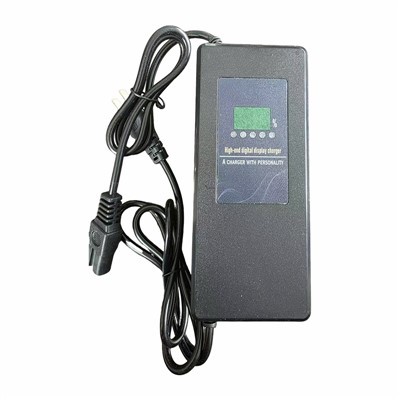
As a supplier of lead acid battery chargers, we understand the importance of a long – lasting and reliable charger. Our chargers are designed and manufactured to the highest standards, using only the best components. We offer a wide range of chargers to suit different applications, from small – scale consumer use to large – scale industrial applications. Our chargers are equipped with advanced charging algorithms that ensure optimal charging performance and protect both the battery and the charger.
Battery Charger If you’re in the market for a high – quality lead acid battery charger, we invite you to contact us for more information. We’re happy to discuss your specific needs and provide you with a customized solution. Whether you’re a small business owner looking to charge your fleet of golf carts or a homeowner in need of a reliable charger for your UPS, we have the expertise and products to meet your requirements.
References
- Linden, D., & Reddy, T. B. (2002). Handbook of Batteries. McGraw – Hill.
- Berndt, D. (2009). Lead – acid Batteries: Science and Technology. Springer.
Tianchang Hengze Technology Co., Ltd.
With abundant experience, we are one of the most professional lead acid battery charger manufacturers and suppliers in China. Please rest assured to buy bulk lead acid battery charger made in China here from our factory. If you have any enquiry about quotation, please feel free to email us.
Address: No. 8 Sanxing Road, Qinlan Town Industrial Park, Tianchang City, Chuzhou City, Anhui Province, P.R. China
E-mail: 604894957@qq.com
WebSite: https://www.hengzebc.com/
