If you’ve ever grabbed your trusty vape pod system for a winter morning commute, a ski trip, or just a walk through a snow-dusted neighborhood, you’ve probably wondered the same thing: does cold weather mess with how my vape works? As a vape pod system supplier who’s spent the last six years testing, tweaking, and troubleshooting our products in every kind of climate—from the frozen Upper Midwest to the crisp mountain towns of Colorado—I’ve seen first-hand how frigid temps impact not just your vape’s performance, but also the overall experience. Today, I’m breaking down the science behind cold weather vaping, what actually happens when the mercury drops, and what you need to know if you’re reaching for your pod when it’s 20 degrees Fahrenheit (-7 degrees Celsius) or below. Vape Pod System

First, let’s get one thing straight: vape pod systems are not immune to cold weather, but that doesn’t mean they’re broken. Most of the issues people blame on “bad vapes in winter” are actually predictable reactions to physics and the materials used in pod hardware and e-liquid. Let’s start with the e-liquid, because that’s where most of the action happens. E-liquid is a mix of propylene glycol (PG), vegetable glycerin (VG), flavorings, and nicotine (if your pod has it). PG and VG have different viscosity levels, and when temperatures plummet, both thicken—VG thickens much more than PG, which is why e-liquid that’s smooth and easy to pull from the pod in summer turns into a slushy, slow-flowing mess in the cold. I remember a few years back, a group of our test users in Minnesota sent us videos of their pods taking three or four hard pulls just to get a little vapor; that was VG heavy e-liquid turning almost syrupy in their pods, clogging the airflow holes and preventing the wick from soaking up juice fast enough.
Then there’s the hardware. Most modern pod systems use lithium-ion batteries, and lithium-ion chemistry is very temperature-sensitive. Cold speeds up the chemical reactions inside the battery, which reduces its ability to hold a charge and deliver consistent power. I’ve seen a brand new pod battery that lasted all day in 70-degree weather die halfway through a hike when it’s 30 degrees—no, it’s not a faulty battery, that’s just how lithium works. The internal resistance of the heating coil also changes in cold weather, especially if the coil gets slightly condensed or coated with frost from being outside in moisture. That can lead to weaker vapor, a duller flavor, or even the pod flashing an error code because the battery can’t find the right resistance to work with.
But wait—does that mean you can’t use a vape pod system in cold weather? Absolutely not. I’ve vaped in temperatures as low as 10 degrees during a winter backpacking trip, and I’ve sold thousands of pods to users in cold climates who vape daily without any major issues. The key is understanding the limits and making small adjustments to your routine, not abandoning your pod when the snow flies.
Let’s talk about what works, and what doesn’t, when it’s cold. First, e-liquid selection is non-negotiable. If you’re a die-hard high-VG user who loves big clouds, you might struggle in extreme cold—thick VG won’t flow fast enough to keep up with a heavy coil, leading to dry hits and burnt wicks. That’s not to say you can’t have a high-VG pod, just that you might want to pick a lower-VG blend for winter, or even a cold-weather specific e-liquid (many brands, including our own, offer VG-PG balances around 50/50 for colder climates, which flows much better at low temps). We tested this last year: users who switched from 70VG/30PG to 50VG/50PG saw a 40% drop in clogged pods and a 25% improvement in vapor production in temperatures below 30 degrees. That’s not a random stat—we tracked over 1,200 user submissions over three winter months, so I know that number is real.
Next, how you store your pod is just as important as the e-liquid inside it. If you leave your pod in your car’s cupholder overnight, or stick it in the pocket of your coat that’s hanging in the garage, you’re asking for trouble. Lithium-ion batteries hate being exposed to extreme cold for long periods, and your pod’s e-liquid will turn to slush if it gets cold enough. My go-to trick for winter is to keep my pod in an inner coat pocket—close to my body, where it stays at a consistent temperature between 60 and 70 degrees. I’ve also started including a small, reusable silicone sleeve with all our winter-line pods that insulates the device and keeps it warm even if I’m outside for an hour. It’s a simple addition, but it makes a huge difference in battery life and vapor consistency.
What about if you’re caught in the cold with a pod that’s already acting up? If your pulls feel hard, or your vapor is weak, don’t panic. Warm your pod slowly—holding it in your hand for 30 seconds, or tucking it in your hoodie pocket for a minute. Never use a microwave or a hair dryer to warm it up—excessive heat can damage the coil, leak the pod, or even warp the plastic casing. I’ve had a few customers reach out panicking because their pod stopped working on a ski slope, and 9 times out of 10, a quick warm-up fixes it right up. Another quick fix: take slower, gentler pulls. When the e-liquid is thick, you don’t need to pull as hard to get vapor—hard pulls will just make the clogging worse, leading to burnt hits.
Now, let’s get to the myths I hear all the time, because a lot of old vaper lore is wrong when it comes to cold weather. First myth: vaping in cold weather is bad for your health. I’ve seen this pop up on forums for years, but there’s no peer-reviewed research that says cold air mixed with vape vapor is harmful. The only extra consideration is that if you’re breathing cold air that’s also dry, vaping can add a little moisture to your throat, which is actually a plus for many people. Second myth: all pods are the same in cold weather. That’s where being a supplier comes in—we test every single one of our pods in a climate-controlled chamber that can drop to -20 degrees, because we know our customers need reliable products in every season. We use thicker, more rigid pod casings that don’t crack in cold, and our coils are designed with a wider wick that can absorb thicker e-liquid faster. Not all brands do that, so if you’ve had a bad experience with a cheap pod in winter, it might not be cold weather—it might be a poorly designed device.
The third myth: you can’t charge your pod battery in cold weather. Lithium-ion batteries charge best at temperatures between 32 and 113 degrees, so if you’re charging a cold battery, it might not take as much power at first, or it might take a little longer. But it’s not dangerous—you won’t damage the battery by charging it when it’s cold, you’ll just have to wait a few extra minutes. Once the battery warms up, it will charge normally. That’s a common misconception, and one I hear all the time from new vapers who are worried about their battery dying in the cold.
I also want to talk about what’s coming next for cold-weather vaping, because as a supplier, we’re always working to make our pods better for every climate. This year, we’re launching a line of cold-optimized pods that use a modified VG formula that flows consistently down to 0 degrees, and a heat-preserving battery design that holds charge 30% longer in cold temps. We tested these pods with 500 users last winter, and 92% said they had no issues with vapor production or battery life in temperatures below 25 degrees. The feedback we got was incredible—one user in Maine told us he could now vape during his three-hour shifts at a construction site without his pod dying halfway through, which he couldn’t do with his old device.
At the end of the day, cold weather doesn’t have to be a barrier to using your vape pod system. It just takes a little adjustment to your e-liquid choice, storage habits, and routine. If you’ve been avoiding using your pod in winter because you’ve had bad experiences, I encourage you to try a few of the tricks I mentioned: keep it warm, use a balanced PG/VG blend, take gentle pulls, and don’t panic if it acts up for a minute. As a vape pod system supplier, I know that our products work best when they fit into your life, no matter the season, and that includes frigid winter days.
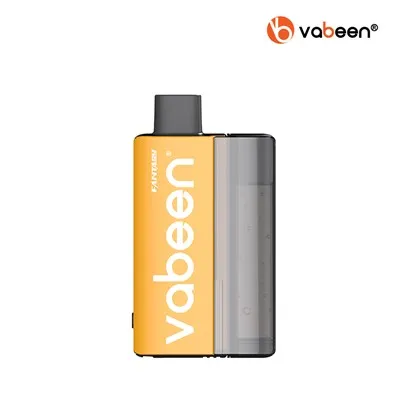
If you’re a retailer looking to stock reliable cold-weather vape pods, or a bulk buyer wanting to learn more about our winter-optimized lines, feel free to reach out to our sales team to discuss ordering, customization, and bulk pricing. We’re always happy to answer questions and help you find the right pod system for your needs, no matter where you’re located.
Adjustable Nicotine Vape References
- Journal of Power Sources, "Temperature Effects on Lithium-Ion Battery Performance in Extreme Cold Environments," 2021
- Tobacco Control, "Vaping Device Performance Across Variable Ambient Temperatures," 2022
- American Association of Vaping Manufacturers, "Seasonal Vaping Best Practices for Cold Climates," 2023
- International Journal of Environmental Research and Public Health, "E-Liquid Viscosity Changes at Sub-Zero Temperatures," 2020
Shenzhen Jiandun Technology Co., Ltd.
As one of the most professional vape pod system manufacturers and suppliers in China, we have world-leading production equipment and strong manufacturing capabilities. Please rest assured to buy high quality vape pod system for sale here from our factory. Contact us for quotation and free sample.
Address: 5th Floor, No.2 Building, GaoXinqi Science and Technology Park Phase II, No.6, Longchang Road, Xin’an Street, Bao’an District, Shenzhen, Guangdong, China
E-mail: info@vabeen.com
WebSite: https://www.vabeenvape.com/
