If you’re in the food processing game, you know how stressful it is to pick piping that doesn’t cut corners on safety or performance. Let’s be real—one wrong pipe choice can lead to cross-contamination headaches, maintenance messes, or even costly shutdowns that tank your bottom line. A question we get a lot here, as a CPVC pipes supplier, is: “Can CPVC pipes actually work in food processing plants?” The short answer is yes, but there’s way more to it than just a quick “yes.” Let’s break this down without the jargon, no stuffy industry speak here—just the real talk you need. CPVC Pipes
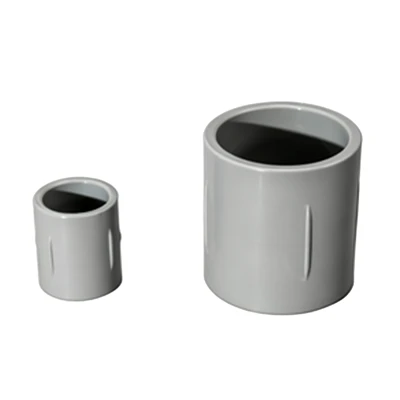
First, let’s get the basics straight: CPVC stands for Chlorinated Polyvinyl Chloride. It’s a type of plastic pipe that’s been around for decades, mostly used in hot and cold water systems in homes, schools, and commercial buildings. But food processing is a whole different beast, right? You’re dealing with everything from dairy milk and fruit juices to sauces, spices, and even cleaning chemicals that get blasted through pipes. So why would CPVC even be a contender here?
Let’s start with the big one: safety. Food processing plants have zero tolerance for anything leaching into product. CPVC is non-toxic, plain and simple. Unlike some older materials—we’re looking at you, certain types of metal pipe that can rust or corrode over time—CPVC doesn’t react with food, beverages, or even the harsh cleaners plants use to sanitize lines. That’s a huge win. The National Sanitation Foundation (NSF) certifies CPVC pipes for potable water and food contact, which means it meets strict standards for not transferring harmful chemicals to what’s flowing through. I’ve seen way too many plant managers stuck with metal pipes that corrode after a few years, leaving rust particles in their product—total nightmare for recalls and brand reputation. CPVC doesn’t do that.
Another big plus: temperature resistance. Food processing isn’t just cold stuff. You’re heating soups, pasteurizing milk, washing equipment with hot water, even sterilizing some lines. CPVC can handle temps up to around 200 degrees Fahrenheit, which is perfect for most food processing applications. I’ve had customers use it for hot water lines for cleaning, pasteurized milk lines, and even for handling some hot fruit purees. It doesn’t warp, soften, or break down like regular PVC (which only handles up to around 140 degrees, by the way—big difference). That’s why we sell so much CPVC over PVC for these jobs—PVC just can’t keep up with the heat demands of food processing.
Now, let’s talk about durability and maintenance. Food processing plants run nonstop (most of ’em, anyway), so downtime kills. CPVC is lightweight, which makes installation faster than metal pipes—no heavy rigging, fewer man hours to get lines up and running. And once it’s in? It’s low maintenance. It doesn’t corrode, doesn’t scale up (that’s mineral buildup that slows flow and clogs pipes), and it’s resistant to most of the chemicals you use to clean. I’ve had customers tell me they haven’t had to replace a CPVC line in 10 years, whereas their old steel pipes needed patching every couple. That’s a huge cost saver over time—lower installation costs, less maintenance, fewer shutdowns.
But wait, it’s not all sunshine and smooth flow. We don’t want to sugarcoat it (pun totally intended). CPVC does have limits, and you can’t just use it for every single part of a food processing plant. Let’s lay out the caveats so you don’t waste time or money.
First, pressure. Most standard CPVC is great for low to medium pressure systems—think water lines, milk lines, sauce lines. But if you’re dealing with high-pressure processes, like pumping pressurized steam or some industrial cleaning solutions at really high PSI, CPVC might not hold up. We make heavy-wall CPVC for these cases, but it’s not for every high-pressure job. Always check the pressure ratings for the specific line you’re installing—no cutting corners here.
Second, some harsh chemicals. While CPVC is resistant to most food-grade cleaners, some really strong industrial chemicals—like certain solvents or highly acidic solutions beyond what’s typical in food processing—can break it down. If you’re handling something super corrosive, you might need to pair CPVC with a protective lining or look at other options, but for 90% of food processing use cases, it’s more than enough.
Third, outdoor use. If you’re installing CPVC lines outside, you need to make sure it’s UV-stabilized. Regular CPVC breaks down in sunlight over time, so we stock UV-rated CPVC for outdoor runs—something a lot of suppliers forget to mention. Don’t just grab any CPVC for an outdoor line; ask for the UV-stabilized kind.
Now, let’s get into actual use cases we see every day. Last year, we worked with a craft brewery that was expanding their beer line system. They were using stainless steel before, but it was prone to hard water scale that made beer taste off. Switched to CPVC for their hot water lines for cleaning and their non-beer-process lines—costed them 30% less to install, and they haven’t had any scale issues in 18 months. Another customer was a pet food processing plant, handling wet pet food that’s heated and pumped through lines. They used heavy-wall CPVC for their process lines, and it’s held up through constant cleaning and 180-degree heat without any leaks or warping. Even dairy plants use CPVC for their CIP (Clean-in-Place) systems, which blast hot caustic solutions through lines to sanitize—CPVC handles that like a champ.
Wait, what about cross-contamination? That’s a big one. Food processors worry about different products mixing, right? CPVC’s smooth interior is less likely to trap product residue than, say, threaded metal fittings or older, rougher pipe materials. The smooth surface makes it super easy to clean—you can just flush it, and there’s no crevices where bacteria can hide. That’s why the FDA has approved CPVC for food contact surfaces in processing plants. It’s not porous, so mold or mildew can’t grow in the pipe walls. That’s a huge safety win for anyone dealing with ready-to-eat products.
But let’s address a common myth we hear all the time: “Plastic pipes are less durable than metal.” Yeah, old plastic pipes might have been, but CPVC is a different animal. It’s engineered to be tough, impact-resistant, and long-lasting. We offer a 50-year lifespan on most of our CPVC pipes, which compares pretty well to stainless steel (which can last 20-30 years if maintained properly) and way better than galvanized steel (which rusts out in 10-15 years). Sure, you have to install it correctly—use the right cement, fit it properly, don’t overtighten fittings—but if you do that, it’s built to last.
Another question we get: “What about hot water for cleaning?” Food processing plants spend a ton on water and energy for cleaning. CPVC has a lower thermal conductivity than metal pipes, meaning it loses less heat as hot water runs through it. That translates to lower energy costs, since you don’t have to heat the water as much to keep it at the right temp for cleaning. We’ve had customers report saving 15-20% on their hot water energy bills after switching from metal to CPVC. That’s money that goes straight back to their bottom line.
Now, let’s talk about when CPVC isn’t the right pick. We’d never push a product that doesn’t fit the job, so here’s when you should skip CPVC. If you’re handling extremely high-pressure steam (over 150 PSI) or very high-temperature processes (over 200 degrees Fahrenheit), go with steel or copper. If you’re working with some specialty industrial chemicals that CPVC can’t handle, you might need to look at HDPE or other specialty plastic pipes. And if you’re doing heavy-duty outdoor underground runs without proper UV protection, you’ll need the right CPVC variant. But for the vast majority of food processing applications—process lines, hot and cold water, CIP systems, drain lines—CPVC is a solid choice.
So, to circle back to the original question: Can CPVC pipes be used in food processing plants? Absolutely, as long as you pick the right type, install it correctly, and match it to the specific application. It’s safe, cost-effective, low-maintenance, and meets all the regulatory standards you need to keep your plant compliant.
Now, if you’re a food processing plant manager, engineer, or maintenance lead who’s looking to upgrade your piping or just want to chat about what works for your specific setup—we’re here to help. We don’t just sell pipes; we’ve worked with dozens of food processing plants, so we know the ins and outs of what works, what doesn’t, and how to keep your lines running smoothly without breaking the bank. Whether you need a small run for a new line or a bulk order for a full plant expansion, we’ve got you covered. Reach out to our team to talk through your project, ask questions, or get a custom quote that fits your needs. Don’t let bad piping hold your plant back—let’s find the right CPVC solution for you.
UPVC Pipes References
- NSF International. Standard 14: Plastic Piping Systems and Components for Building Services, 2022.
- U.S. Food and Drug Administration. Food Contact Substances: Chlorinated Polyvinyl Chloride (CPVC), 2021.
- Plastic Pipe and Fittings Association. CPVC Piping Systems for Food and Beverage Processing Applications, 2020.
- International Association of Plumbing and Mechanical Officials. IPC Appendix B: Approved Plastics for Potable Water Systems, 2021.
- Food Safety and Inspection Service. Sanitation of Food Processing Equipment and Piping, 2019.
Anhui Weidong Pipeline Technology Co., Ltd.
As one of the most professional CPVC pipes manufacturers and suppliers in China, we have world-leading production equipment and strong manufacturing capabilities. Please feel free to buy high quality CPVC pipes at competitive price from our factory. Welcome to contact us for quotation.
Address: No. 35 Hongyuan Avenue, Economic Development Zone, Huoshan County, Lu’an City, Anhui Province
E-mail: 18056040225@163.com
WebSite: https://www.wdpipe.com/
