Let’s be real—when you unbox a new desk, bookshelf, or filing cabinet, the first thought that pops into your head is “Wait… can I actually put this together without calling my cousin who builds IKEA stuff for fun?” If you’re scrolling this, chances are you’re either a remote worker tired of wobbly table legs, a startup owner who just rented a tiny office, or someone (like me, basically) who’d rather skip paying extra for a handyman. And hey, since I work for an office furniture supplier, I’ve seen this question 100 times more than I can count. Let’s break this down, no fancy jargon, no “you must do this” rules—just the real tea on DIY office furniture assembly. Office Furniture
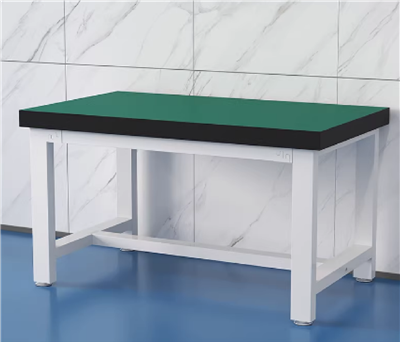
First off, let’s get one thing straight: not all office furniture is created equal. I’ve seen clients panic over a $50 wooden bookshelf that took 2 hours and a curse word, and I’ve seen someone build a massive L-shaped executive desk in 45 minutes while listening to a podcast. The difference? What you’re assembling, who made it, and whether you have the right stuff. Let’s start with the basics.
If you’re talking about flat-pack stuff—think basic desks, small storage cabinets, open bookshelves—this is where DIY is totally doable. Most good office furniture suppliers (guilty) design these pieces with regular people in mind, not just contractors. The instruction manuals aren’t the garbage IKEA ones that look like they were drawn by a toddler on bad coffee, either. Ours? We put little checkmarks next to each step, label every screw size with a sticker that’s actually visible, and even include a spare screw or two “just in case” (I swear, that’s the part clients love most). I recently helped a customer who ordered our compact home office desk—she said she’s not handy at all, watched a 10-minute TikTok of someone assembling a similar piece, and nailed it. No broken parts, no holes in the wall, no yelling at a hex key.
But here’s the catch: if you’re going the DIY route for flat-pack, you need a few tools that most people already have lying around. Don’t panic, I’m not talking about a power drill that costs $200. A Phillips-head screwdriver (the one with the cross end, duh), a rubber mallet (or even a rolled-up towel if you don’t have one—works just as well), and maybe a ruler to make sure things are level. If you have a power drill with a Phillips bit? Even better. It cuts the time in half. I’ve seen people try to use butter knives as a screwdriver before—don’t do that. You’ll strip the screw, and then you’re screwed (pun totally intended, sorry not sorry).
Now, what about bigger, bulkier stuff? Like conference tables, modular storage walls, or standing desks with electric lifts? This is where the “DIY is possible but maybe not worth it” line starts to blur. Let’s take modular storage walls, for example. These are the ones that have cabinets, shelves, and maybe even a bulletin board all connected. They’re heavy, some pieces are 6 feet tall, and if you don’t align them perfectly, you’ll end up with a gap that’s bigger than your phone between two cabinets. I had a client last year who tried to assemble our modular storage wall alone—he got the bottom section together, but when he went to lift the top, it slipped and scratched the wall. He ended up calling our assembly team, and we fixed the scratch in 10 minutes. The point here? For bigger pieces, the right tools are one thing, but manpower is another. You don’t want to strain your back, or drop a $1,000 conference table on your foot. Trust me, I’ve seen it.
Then there’s standing desks with electric lifts. These aren’t like your average flat-pack desk. They have motors, wiring, and a control panel. If you’re not comfortable with following step-by-step instructions that mention things like “connect motor cable to control unit,” you might run into issues. One of our customers tried assembling our electric standing desk on his own, connected the wires wrong, and the motor wouldn’t lift. He had to order a replacement control unit, which delayed his setup by a week. That’s the kind of headache you don’t need, especially when you’re excited to start using your new office.
Wait, but let’s talk about the pros of doing it yourself, because it’s not all bad. Cost is the big one. Most office furniture suppliers charge an assembly fee that’s usually 10-15% of the total order. If you’re buying a $300 desk, that’s $30-$45 you could be spending on a new office chair, or coffee, or literally anything else. Also, when you build it yourself, you get to check every part. You make sure all the screws are tight, all the shelves are aligned, no parts are missing. I’ve had customers who assembled their own desks come back and say “I noticed a small scratch on the side, and since I built it, I could take a photo and send it to your team right away.” That’s way easier than trying to point out a scratch to someone who built it for you, right?
But there are cons too, and I don’t want to sugarcoat them. Time is a huge one. A basic desk might take 1-2 hours. A modular storage wall? 4-6 hours. That’s time you could be working, or hanging out with friends, or just not staring at a pile of wood and screws. Also, there’s the risk of damaging the furniture. If you overtighten a screw, you can crack the particle board. If you drop a part, you can chip the finish. And if you’re assembling alone, you might not notice a gap or a wobbly leg until you’re halfway done, which means you have to take it all apart and start over. We’ve had a few customers do that—sound familiar?
So, when is DIY office furniture assembly the right call? Let’s make a quick list, no rules, just common sense:
- The furniture is small, flat-pack, and made of lightweight material (like our home office desks or small storage carts).
- You have basic tools, and you’re not afraid to follow instructions (and maybe watch a 5-minute YouTube video if you get stuck).
- You have 1-2 hours free, and you don’t mind a little mess.
- You’re okay with the risk of a small scratch or a slightly wobbly leg (nothing that will break it, but enough to bug you).
When should you skip DIY and get help?
- The furniture is big, heavy, or has multiple parts (like conference tables, modular walls, or large file cabinets).
- It has moving parts, motors, or wiring (like electric standing desks or adjustable office chairs).
- You only have 30 minutes total, or you’re not great with small tools/reading instructions.
- You value your back and don’t want to risk injury lifting heavy pieces alone.
Now, let’s talk about our experience as an office furniture supplier, because that’s what I know best. We always make it clear to customers what’s included with every order: instruction manuals with clear photos, all tools needed (wait, no—wait, we don’t include screwdrivers. Sorry, that’s not in the budget. But we do include extra screws, so that’s a win), and a customer support team that’s available 7 days a week if you get stuck. Last month, a customer texted us a photo of a screw that didn’t fit. We sent him a replacement screw in the mail that same day, no questions asked. We get it—stuff happens.
We also offer assembly services for anyone who doesn’t want to do it themselves. Our team is made up of people who put together office furniture every single day—they know the instructions by heart, they can lift a 10-foot cabinet like it’s a shoebox, and they usually get it done in half the time it would take someone who’s never done it before. The fee is transparent, we give you a window of time that works for you, and we even clean up all the packaging when we’re done. No more staring at a pile of cardboard in your office for a week.
Wait, but let’s circle back to the original question: Can I assemble office furniture by myself? The short answer is yes, sometimes. The long answer is: it depends on the furniture, your tools, your time, and your patience. I’ve seen people with zero handyman skills put together amazing office furniture, and I’ve seen people who build bookshelves for fun struggle with a simple desk. The key is to be real with yourself. If you think “this seems hard,” it probably is. If you think “I can follow a few steps and have an hour to kill,” go for it.
At the end of the day, office furniture is supposed to make your work life easier, not add stress. Whether you build it yourself, or have a team come in, the goal is to have a space that works for you. If you’re shopping for new office furniture, don’t be shy to ask about assembly options. We’re happy to walk you through whether a specific piece is DIY-friendly, or if we recommend our assembly service. We know that every office is different, and every customer’s needs are different—some want to save a few bucks, some don’t have the time, some just prefer to let the pros handle it.
If you’re on the fence about DIY, here’s a quick tip: before you unbox anything, take 10 minutes to read the instruction manual. Seriously. Don’t just dive in and start grabbing screws. Most manuals have a parts list at the beginning, so you can make sure all the pieces are there before you start. Nothing kills a DIY project faster than realizing you’re missing a shelf, and the warehouse is closed for the day. Also, lay all the parts out on a big table or the floor—don’t work from a pile. You’ll waste so much time digging for that one small bracket if it’s buried under 10 pieces of wood.
Oh, and one more thing: don’t be afraid to ask for help, even if you’re planning to do it yourself. We’ve seen customers call us mid-assembly, panicking because they can’t figure out how to connect two parts. Our support team is here for that. It’s way better than forcing it, breaking the furniture, and having to return it (which is a whole other headache).
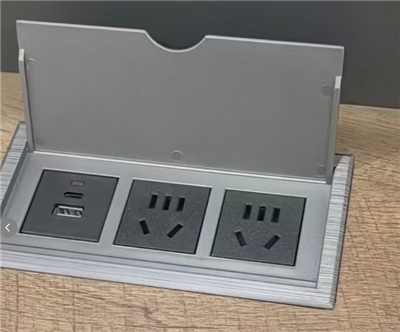
So, to wrap this up: Can you assemble office furniture by yourself? Absolutely—for the right pieces, with the right mindset, it’s totally doable. But for bigger, more complex pieces, or if you’re short on time, it’s okay to outsource. At the end of the day, the best setup is the one that works for you. If you’re looking to upgrade your office space, whether you want to DIY or need a hand, reach out to our team to chat through your needs and find the perfect solution for your space.
Sofa References:
- American Home Builders Association. (2022). “DIY vs. Professional Assembly: A Guide for Home and Office Projects.” National Association of Home Builders.
- Office Furniture Manufacturers Association. (2023). “Best Practices for Flat-Pack Office Furniture Design and Assembly.” OFMA Industry Standards Report.
- U.S. Occupational Safety and Health Administration. (2021). “Ergonomics for Office Work: Avoiding Injury During Furniture Assembly.” OSHA Workplace Safety Guidelines.
Jiangsu Yuhe Intercontinental Import & Export Trading Co., Ltd.
As one of the most professional office furniture manufacturers and suppliers in China, we also support customized service. Please feel free to buy high quality office furniture made in China here and get pricelist from our factory. For price consultation, contact us.
Address: No. 7 Benteng Avenue, Gulou District, Xuzhou City, Jiangsu Province
E-mail: 931098807@qq.com
WebSite: https://www.yhfurn.com/
