When it comes to the world of construction, manufacturing, and various metal – working industries, the importance of choosing the right bending bar cannot be overstated. As a seasoned bending bar supplier, I’ve witnessed firsthand the impact that the correct selection can have on a project’s efficiency, quality, and overall success. In this blog post, I’ll share some key considerations to help you navigate the process of choosing the perfect bending bar for your needs. Bending Bar
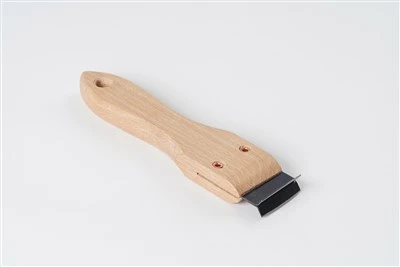
Understanding Your Project Requirements
The first step in choosing the right bending bar is a comprehensive understanding of your project requirements. Different projects demand different types of bending bars, depending on factors such as the type of material you’ll be working with, the shape and size of the bends required, and the overall scale of the project.
If you’re working on a commercial construction project, for example, you might need bending bars that are capable of handling large – diameter steel reinforcement bars. These bars, often used in foundation and structural elements, require a high – strength bending bar that can generate sufficient force to bend the steel without causing cracks or other structural weaknesses.
On the other hand, if you’re engaged in a smaller – scale metal – working project, such as crafting custom metal furniture or decorative elements, you may need a more precise and flexible bending bar. These projects often involve working with thinner metals, such as aluminum or mild steel, and require a bending bar that can create complex and accurate bends.
Material Compatibility
The material of the bending bar itself and its compatibility with the material you’re bending are crucial factors. Bending bars are typically made from high – quality alloys, such as tool steel or manganese steel, which offer excellent strength and durability.
For instance, when bending hard metals like high – carbon steel, you’ll need a bending bar made from a material with high wear resistance. Tool steel bending bars are often a good choice in this case, as they can withstand the high pressures and stresses associated with bending tough materials.
When working with softer metals, like copper or brass, the requirement for a bending bar’s hardness is less extreme. However, the surface finish of the bending bar becomes more important. A smooth and polished surface on the bending bar can prevent scratching and marring of the softer metals during the bending process.
Bending Capacity and Accuracy
Bending capacity refers to the maximum diameter and thickness of the material that a bending bar can handle. It’s essential to choose a bending bar with a capacity that exceeds the requirements of your project. This not only ensures that the bending process can be completed smoothly but also provides a safety margin for any unexpected variations in material thickness or hardness.
Accuracy is another crucial aspect. In many projects, especially those in the aerospace or automotive industries, precise bends are required to meet strict specifications. When selecting a bending bar, look for features that enhance accuracy, such as adjustable bending angles, precision – machined surfaces, and reliable locking mechanisms. Some advanced bending bars come with digital displays or computer – controlled systems that can provide even greater accuracy, allowing you to create bends within very tight tolerances.
Ease of Use and Maintenance
The ease of use of a bending bar can significantly impact productivity on the job site. A user – friendly bending bar should have clear operating instructions, intuitive controls, and a design that allows for quick and easy setup. For example, some bending bars feature a quick – change die system, which enables you to swap out different bending dies for various bend shapes and sizes in a matter of minutes.
Maintenance is also an important consideration. Regular maintenance helps to ensure the longevity and optimal performance of the bending bar. Look for a bending bar that is designed for easy cleaning, lubrication, and replacement of parts. A bending bar with readily available spare parts and good after – sales support can save you time and money in the long run.
Cost – Effectiveness
Cost is always a factor when making any purchasing decision. However, it’s important to look beyond the initial purchase price of the bending bar. Consider the overall cost – effectiveness, which includes factors such as the bending bar’s durability, energy consumption, and the cost of maintenance and replacement parts.
A more expensive bending bar may offer better quality, higher accuracy, and longer lifespan, which can result in lower long – term costs. On the other hand, a cheaper bending bar may seem like a good deal at first, but if it breaks down frequently or requires costly repairs, it may end up being more expensive in the long run.
Safety Features
Safety should be a top priority when working with bending bars. A reliable bending bar should come equipped with a variety of safety features to protect the operator. These can include safety guards to prevent access to moving parts, emergency stop buttons, and overload protection systems.
Overload protection is particularly important, as it can prevent damage to the bending bar and injury to the operator in case of excessive pressure. Safety guards help to safeguard against flying debris or accidental contact with the bending mechanism, reducing the risk of serious accidents.
Reputation and Reviews
Before making a purchase, it’s advisable to research the reputation of the bending bar manufacturer. Look for customer reviews and testimonials online to get an idea of the quality and performance of their products. A manufacturer with a good reputation is more likely to produce high – quality bending bars and provide excellent customer service.
You can also ask for recommendations from other professionals in your industry. Their firsthand experiences can provide valuable insights into which bending bars work well in real – world applications and which ones to avoid.
Technical Support
When you invest in a bending bar, having access to reliable technical support is essential. Whether you encounter a problem during installation, operation, or maintenance, a manufacturer that offers prompt and knowledgeable technical support can save you a lot of time and hassle.
Some manufacturers provide online resources, such as user manuals, troubleshooting guides, and video tutorials. Others offer on – site support or a dedicated customer service hotline. Make sure to choose a manufacturer that can offer the level of technical support you need.
Trends in Bending Bar Technology
The field of bending bar technology is constantly evolving. New innovations are being introduced regularly to improve the efficiency, accuracy, and safety of bending operations.
One such trend is the integration of intelligent control systems. These systems can automate the bending process, adjust parameters based on the material being bent, and provide real – time feedback on the bending operation. This not only improves accuracy but also increases productivity by reducing the need for manual intervention.
Another trend is the development of more environmentally friendly bending bars. These bars are designed to consume less energy and produce less waste during the bending process, making them a more sustainable choice for modern industries.
In conclusion, choosing the right bending bar is a multi – faceted decision that requires careful consideration of your project requirements, material compatibility, bending capacity, cost – effectiveness, safety features, and more. As a bending bar supplier, I’m here to help you navigate this process and find the perfect bending bar for your specific needs. Whether you’re a large – scale construction company or a small – scale metal – working shop, I have the expertise and a wide range of products to ensure your project’s success.

If you’re interested in exploring our bending bar options or have any questions about choosing the right bending bar for your project, I invite you to contact me to start a procurement discussion. Let’s work together to find the ideal solution for your bending needs.
Striking and Demolition Tools References
- Metals Handbook: Properties and Selection: Nonferrous Alloys and Pure Metals. ASM International.
- Machinery’s Handbook. Industrial Press.
- Construction Materials and Methods. Pearson.
Shandong Shining Import & Export Co., Ltd.
Founded in 1986, We are one of the most professional bending bar manufacturers in China. With abundant experience, we warmly welcome you to buy advanced bending bar for sale here here from our factory. If you have any enquiry about customized service, please feel free to email us.
Address: No.06073, Unit A, Building 2, Yihe Three Road, Comprehesive Bonded Zone, Linyi City, Shandong Province, China
E-mail: info@shiningtool.com
WebSite: https://www.shiningtool.com/
